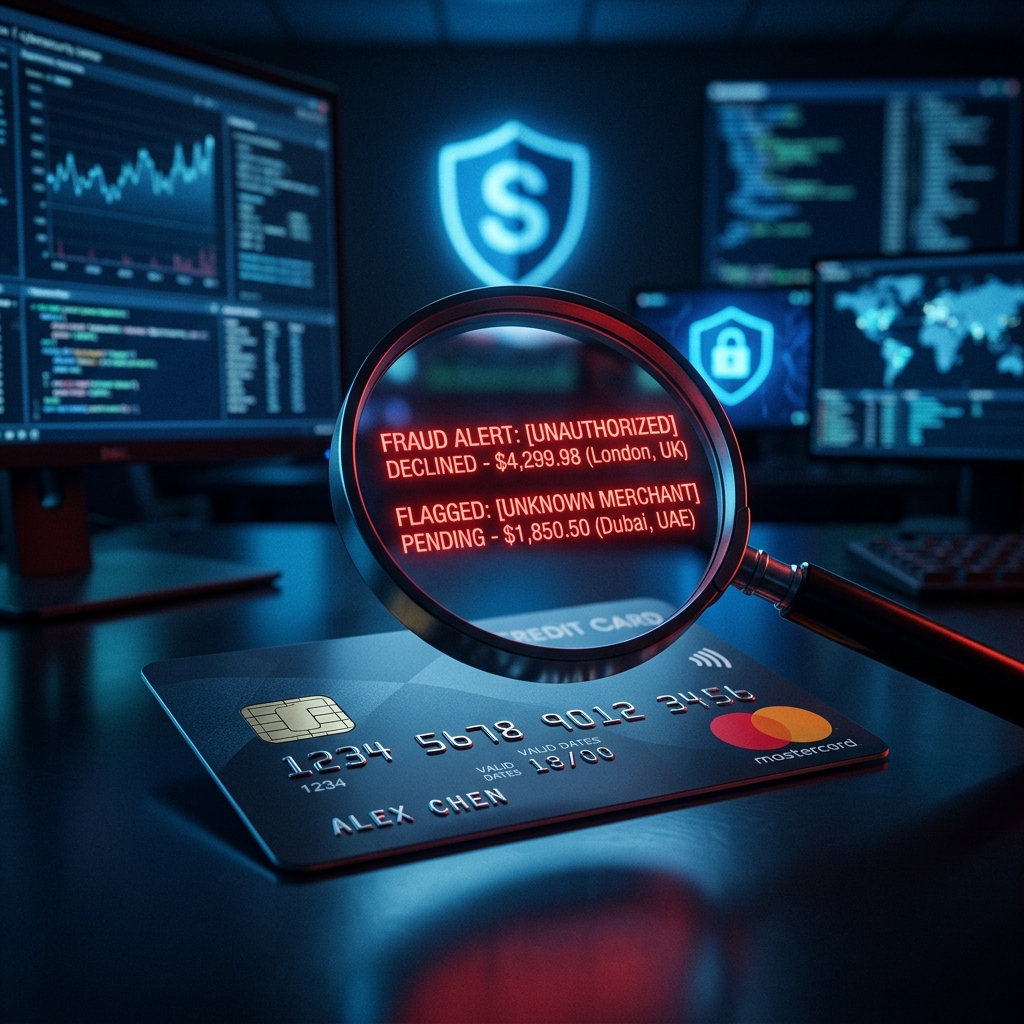
Credit card fraud remains one of the most common financial crimes worldwide. Despite advances in technology and security, there is often a significant delay in catching credit card fraud. This delay can be costly for both consumers and financial institutions, highlighting the importance of understanding how fraud detection works and what changes are being made to improve it.
Why There Is a Delay in Catching Credit Card Fraud
There are several reasons why credit card fraud is not always detected immediately:
- Small transactions go unnoticed: Fraudsters often start with small purchases to test whether a stolen card works before making larger ones. These small transactions may not trigger fraud alerts.
- Delayed statement reviews: Many cardholders do not review their credit card statements regularly, allowing fraudulent charges to go unnoticed for weeks or even months.
- Sophisticated fraud techniques: Modern fraudsters use advanced methods to mimic legitimate spending patterns, making it harder for automated systems to flag suspicious activity.
- Cross-border transactions: When fraud occurs across international borders, the complexity of tracking and investigating increases significantly.
Recent Credit Card Changes to Combat Fraud
Credit card companies and financial institutions are continuously updating their systems and policies to better detect and prevent fraud. Some recent changes include:
- EMV chip technology: The widespread adoption of chip-enabled cards has significantly reduced in-person card fraud by making it much harder to counterfeit cards.
- Real-time alerts: Many banks now offer instant notifications for every transaction, allowing cardholders to quickly identify unauthorized charges.
- Machine learning algorithms: Advanced AI and machine learning systems analyze spending patterns in real time to identify and flag potentially fraudulent transactions.
- Two-factor authentication: Additional verification steps for online purchases add an extra layer of security.
- Virtual card numbers: Some issuers now offer temporary card numbers for online shopping, reducing the risk of card data being stolen.
How to Protect Yourself
While credit card companies are doing their part, consumers also play a crucial role in preventing fraud:
- Review your credit card statements regularly and report any suspicious charges immediately.
- Set up transaction alerts on your credit card accounts.
- Use strong, unique passwords for your online banking and credit card accounts.
- Be cautious when using your card online and only shop on secure websites.
- Report lost or stolen cards immediately to your card issuer.
By staying vigilant and taking advantage of the latest security features offered by your credit card company, you can significantly reduce your risk of falling victim to credit card fraud. Regularly reviewing your credit card statements and bank statements is one of the most effective ways to catch unauthorized transactions early.