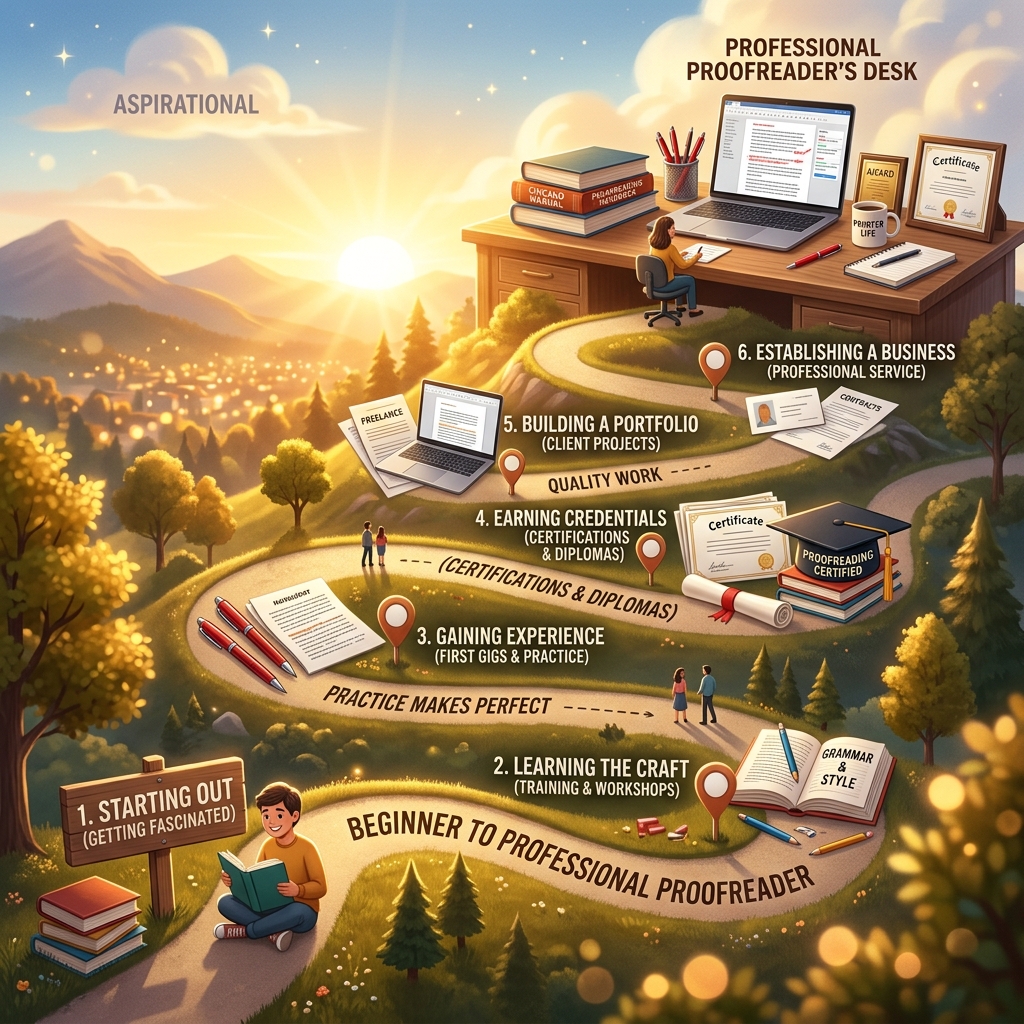
Proofreading is one of the most in-demand skills in the digital age. Whether you’re looking for a full-time career change or a flexible side hustle, becoming a professional proofreader can be both fulfilling and financially rewarding. With the explosion of online content, businesses and individuals need skilled proofreaders more than ever.
What Does a Professional Proofreader Do?
A professional proofreader reviews written content for errors in grammar, spelling, punctuation, and formatting. Unlike editors who may restructure content or suggest major changes, proofreaders focus on catching the final mistakes before a document is published or submitted.
Proofreaders work on a wide variety of documents, including:
- Books and manuscripts
- Business documents and reports
- Academic papers and dissertations
- Financial documents such as bank statements and invoices
- Marketing materials and website content
- Legal documents and contracts
Skills You Need to Become a Proofreader
To succeed as a professional proofreader, you need to develop several key skills:
- Excellent command of the English language: You must have a thorough understanding of grammar rules, punctuation, and spelling conventions.
- Attention to detail: The ability to spot even the smallest errors is essential for a proofreader.
- Strong focus and concentration: Proofreading requires sustained attention over long periods of time.
- Familiarity with style guides: Knowledge of major style guides like AP, Chicago, and APA is important for maintaining consistency.
- Technical proficiency: You should be comfortable working with digital documents, track changes, and editing software.
How to Get Started
Here are the steps to begin your proofreading career:
- Take a proofreading course: Formal training can help you develop your skills and give you credibility with potential clients.
- Practice regularly: The more you practice, the faster and more accurate you’ll become.
- Build a portfolio: Start with volunteer work or small freelance jobs to build a body of work you can show potential clients.
- Join freelance platforms: Websites like Upwork, Fiverr, and Freelancer can help you find your first paying clients.
- Network with other professionals: Connect with writers, editors, and publishers who may need proofreading services.
Earning Potential
Professional proofreaders can earn well, depending on their experience and specialization. Entry-level proofreaders typically earn between $15 and $25 per hour, while experienced professionals can charge $40 to $60 per hour or more. Specialized proofreaders who work in fields like legal, medical, or financial document editing often command premium rates.
By continuously improving your skills and building a strong reputation, you can create a sustainable and well-paying career as a professional proofreader.