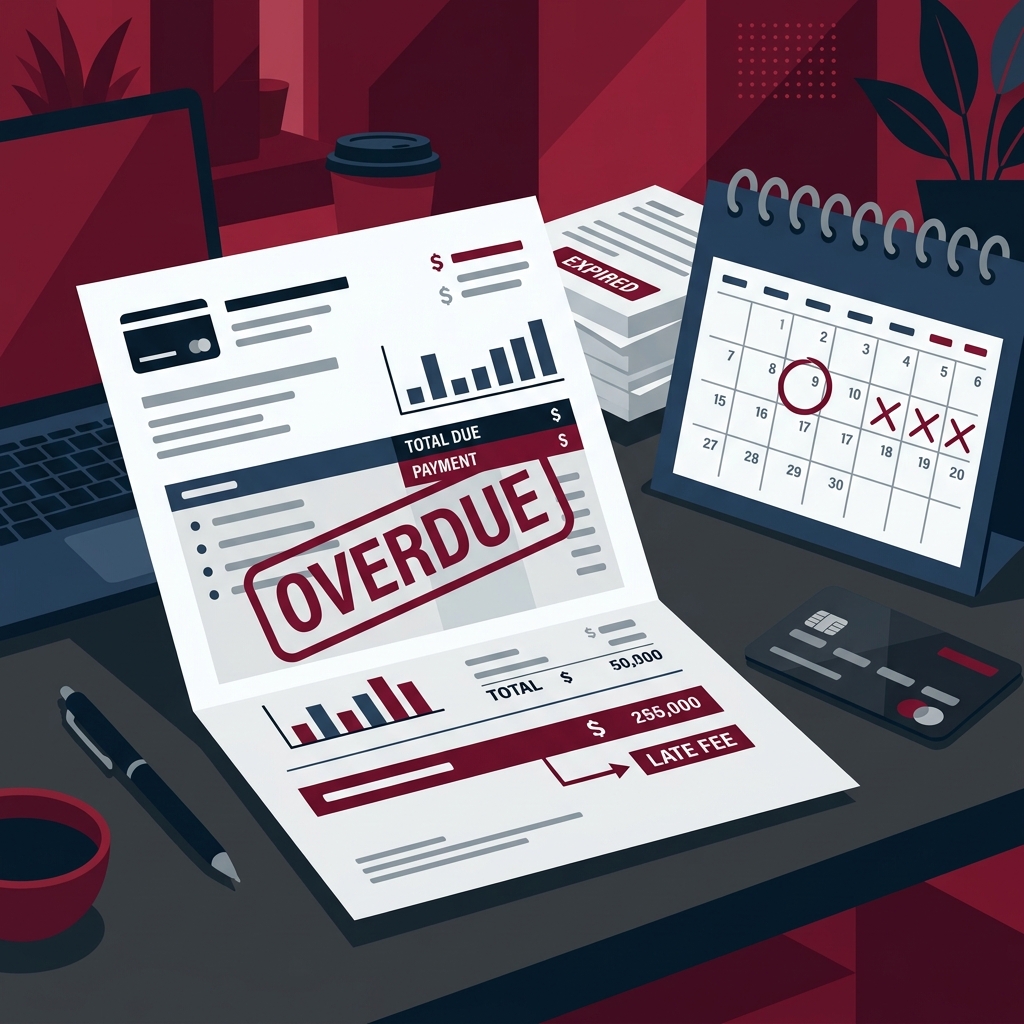
What Does Past Due Mean?
A payment is considered past due when it has not been received by the due date specified on your statement. Whether it is a credit card payment, loan installment, or utility bill, a past due status indicates that you have missed a scheduled payment. Understanding the implications of past due accounts is essential for protecting your financial health.
Stages of Past Due Accounts
Late payments progress through several stages, each with increasing consequences:
- 1-29 Days Late: You may be charged a late fee, but the delinquency is typically not reported to credit bureaus yet. This is the best time to catch up.
- 30 Days Past Due: The late payment is reported to the credit bureaus and will appear on your credit report. Your credit score may drop significantly.
- 60 Days Past Due: Additional late fees accrue, and your interest rate may increase to a penalty APR. The impact on your credit score worsens.
- 90+ Days Past Due: Your account may be flagged as seriously delinquent. Creditors may begin collection efforts.
- 120-180 Days Past Due: The account may be charged off and sent to a collection agency.
Impact on Your Credit Score
Late payments can have a severe impact on your credit score. A single 30-day late payment can cause a score drop of 60 to 110 points, depending on your starting score. The higher your score before the late payment, the more dramatic the decline. Late payments remain on your credit report for seven years, though their impact diminishes over time.
Consequences Beyond Credit Score
Past due accounts can lead to several additional consequences:
- Late fees ranging from $25 to $40 per occurrence
- Penalty interest rates that can exceed 29% APR
- Loss of promotional interest rates
- Account suspension or closure
- Collection calls and letters
- Potential legal action for large debts
How to Get Back on Track
If you have a past due account, take action as quickly as possible. Make the overdue payment immediately. If you cannot pay the full amount, contact your creditor to discuss payment arrangements. Many lenders are willing to work with you on a hardship plan, especially if you reach out before your account becomes seriously delinquent.
Preventing Future Late Payments
- Set up automatic payments for at least the minimum amount due
- Create calendar reminders for payment due dates
- Sign up for email or text alerts from your creditors
- Build an emergency fund to cover unexpected expenses
- Consider consolidating multiple payments into a single monthly payment