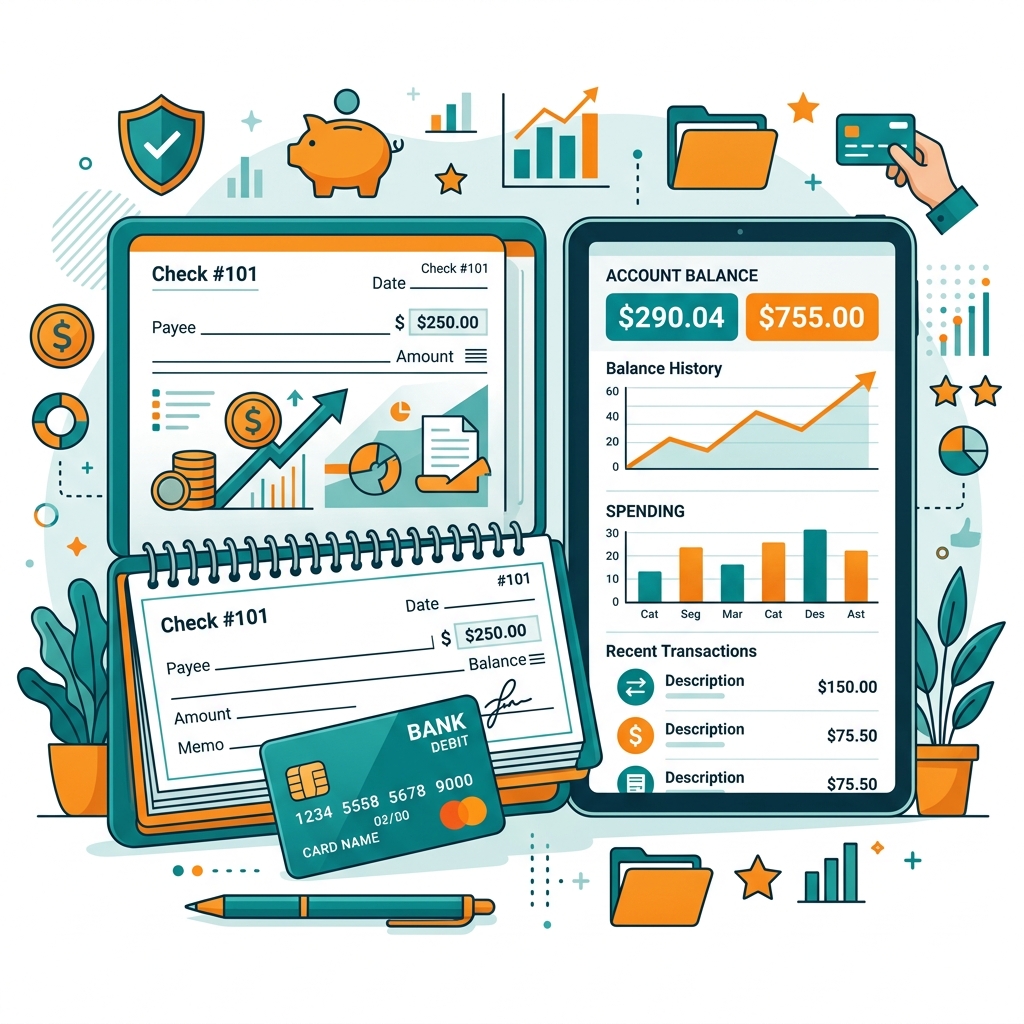
Choosing the Right Checking Account
A checking account is one of the most fundamental financial tools. It serves as a hub for your daily transactions, from paying bills and making purchases to receiving your paycheck. With so many options available, choosing the right account requires careful consideration of several factors.
Types of Checking Accounts
- Basic Checking: A no-frills account with minimal features and low or no monthly fees. Ideal for those who need simple transaction capabilities.
- Interest-Bearing Checking: Earns interest on your balance, though rates are typically lower than savings accounts. Often requires a higher minimum balance.
- Premium Checking: Offers additional perks such as higher interest rates, fee waivers, and access to financial planning services. Usually requires a high minimum balance.
- Student Checking: Designed for students with no monthly fees and low minimum balance requirements.
- Second Chance Checking: Available to people who have been denied a traditional account due to past banking issues.
What to Look For
When comparing checking accounts, consider these key factors:
- Monthly maintenance fees and how to waive them
- Minimum balance requirements
- ATM access and fees for out-of-network ATMs
- Online and mobile banking capabilities
- Overdraft policies and fees
- Direct deposit and bill pay features
Managing Your Checking Account
Once you have selected an account, effective management is key to avoiding fees and maintaining good financial health. Monitor your account regularly through online or mobile banking. Set up alerts for low balances, large transactions, and when bills are due.
Reconciling Your Account
Regularly compare your records with your bank statement to ensure all transactions are accurate. Look for any unauthorized charges or errors, and report them to your bank immediately. Many banks now offer automatic categorization of transactions, making it easier to track your spending habits.
Avoiding Common Pitfalls
The most common checking account mistakes include not tracking your balance, ignoring monthly fees, and failing to read the fine print. By staying organized and proactive, you can make the most of your checking account while keeping costs to a minimum.